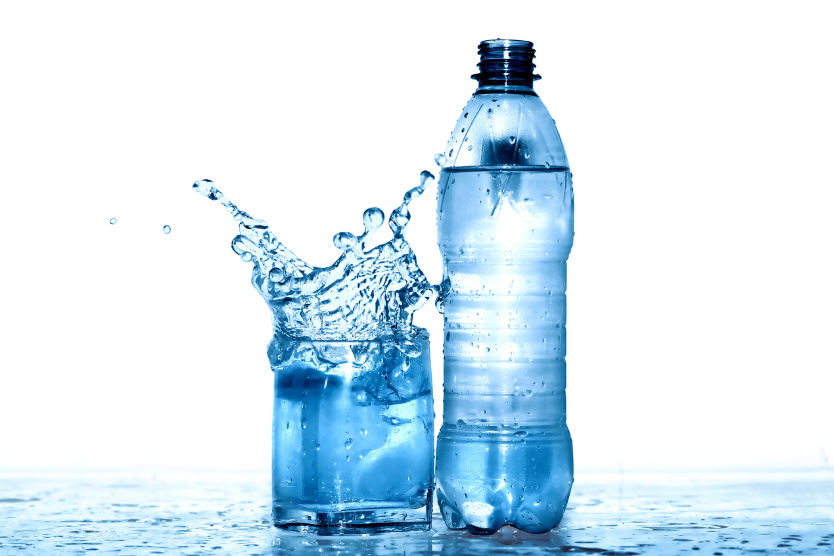
Depending on your lifestyle, mostly on how active you are, you should be drinking 2-3 litres of water every day. Water is essential for all organs to function optimally, and all bodily processes to happen smoothly. Around 70% of our body is water. Without sufficient amounts, we can’t function well.
What does water do for us?
Water has multiple roles in our biochemistry. Since a significant part of each of our cells is water, it is not surprising that it needs to be present in sufficient amounts for proper cell function.
What are these functions? Here’s a list of some of the processes that are supported by water:
- enhances brain function and mental clarity
- helps regulate blood pressure and body temperature
- contributes to better skin health
- slows down aging
- helps appetite regulation
- lubricates your joints
- aids digestion
- helps excretion and flushing out harmful chemicals from your body
What is in tap water?
The good stuff
Chlorine – this is added to the water to get rid of pathogens. In the UK it is added to the water in form of chlorine gas. If you are worried about its effect on your microbiome, you can let your water sitting on the kitchen counter for about half an hour before you drink it. Most of the chlorine gas will leave your water.
Sodium – it’s an important electrolyte that helps facilitate proper cell function, if consumed in moderation. You will not get too much from your water, but watch out for your daily sodium intake from other sources.
Fluoride – this mineral is added to UK tap water to support dental health.
Sulphates – they come in different forms depending on what other molecules they are bonded with. Some of them support iron absorption or detoxification processes, others help build proteins or aid digestion. In larger amounts, they can make tap water taste bitter, and can have a laxative effect, however levels are closely monitored and kept under control in the UK.
Calcium and magnesium – drinking 2 litres of water a day can provide a significant percentage (as high as 20-25%) of your intake of these two important nutrients. When the water is warmed, together they form limescale. This is what you can see on the inside of your kettle, coffee machine or on the water heater in your washing machine. It is not harmful to your health, but it can be annoying when appears on your appliances.
The not-so-good stuff
Lead? – This mineral used to wash into the tap water when the water types were made of lead. This is not the case anymore. The majority of the water pipes have been replaced now, therefore lead is not commonly present in the tap water in the UK anymore.
Microplastic – microplastic is present in the tap water, just like it is present in pretty much everything we eat and drink – fish and shellfish being the biggest concern. Plastic containers and bottles, as well as any textile, even the air we breathe have small amounts, that can make its way into our body. Science is still unclear about the harm it might cause, if any, but if you are worried about this, filtering your water might get rid of a part of it.
Filtering your water
Filtering your tap water is not absolutely necessary, but you might want consider it if it tastes funny, or always comes out cloudy. This might be signs of higher solid content. If you decide to filter your water, be aware, that some of the beneficial nutrients will also be filtered out, and you might want to consider paying a little more attention to your fluoride, calcium and magnesium intake.
If you struggle to drink enough water
For some people it could be difficult to drink enough. Here are some hacks to help with this.
- Add flavour pods
– natural aromas and flavours release in your water bottle without sugar or sweeteners. They are becoming increasingly popular. - Add fresh fruit
– a slice of lemon or orange, a bit of ginger, or a few of your favourite berries can make drinking water more attractive. - Get in the habit of carrying a water bottle.
– everywhere. Keep more, in several places if necessary. - Build it in your routine
– connecting drinking a glass of water to certain, regular activities could help remember. For example, one glass with each meal could be a good start. Or every time you pop out to the bathroom. - Set reminders
– with a glass every 2 hours throughout the day you will reach your target. - Use a tracking app
– of course there is a mobile application to track your water intake, too. - Swap some glasses with cups of tea
– if you are not a fan of water, try tea instead. Be mindful of the caffeine content, opt for herbal teas instead. There are endless flavours to explore. - Add in watery foods
– the water content of foods is water, too. Soups and juicy plants all count toward your intake. Watermelon, cucumber, lettuce are great sources.
Your takeaway
Staying hydrated is important for the proper function of your cells. Among others, it supports brain health, skin health, weight management and blood pressure. Besides, unfiltered tap water contains important nutrients. Filtering your water might get rid of these.
There are several tricks that can help you drink more water, like phone applications, building it in into your daily routine, or flavouring it.
You can make your own electrolyte water which can be handy after an intensive workout, or during periods of fasting.
Explore other articles about healthy habits